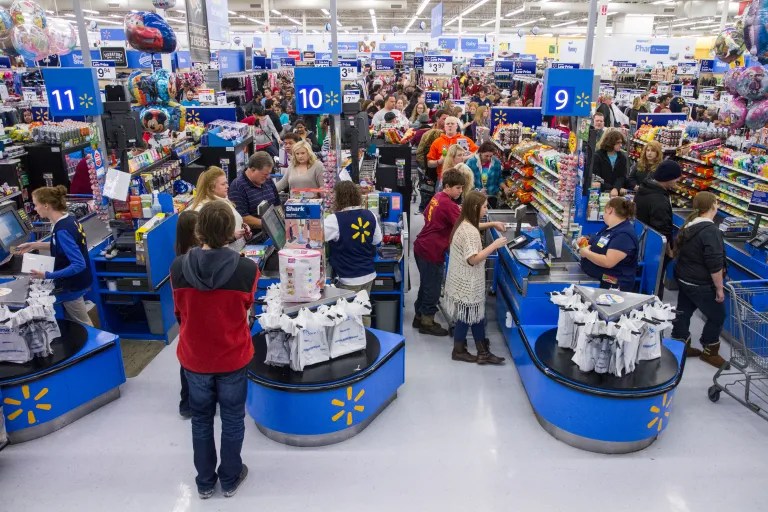
American economists have spent most of 2025 waiting for the consumer to buckle. Excess savings exhausted, student loan repayments resumed, credit card balances at record highs.
All the ingredients for a spending slowdown have been present for the better part of a year. Yet Black Friday retail data continues to defy the pessimists.
Early estimates suggest in-store and online spending rose approximately 4% year-on-year in real terms, with particularly strong performance in electronics and home improvement. Of course, Black Friday is now a month-long festval of consumption rather than being confined to one immense day, but still, the reslience of US consumption is a sight to behold.
The US labour market, despite a modest rise in unemployment from its historic lows, remains fundamentally healthy. Wage growth for lower-income workers in particular has outpaced inflation this year, rebuilding purchasing power at the bottom of the distribution.
The durability of American consumer spending is, in part, a function of the supply-side revolution quietly taking place in the US economy. Energy abundance keeps household bills lower than in Europe. Deregulation in housing markets in states like Texas and Florida has contained rental cost inflation. These structural advantages compound over time.
The European mind could not comprehend.
Politicians who dismiss American economic dynamism as unsustainable or inequitable might reflect on why it keeps proving the forecasters wrong.