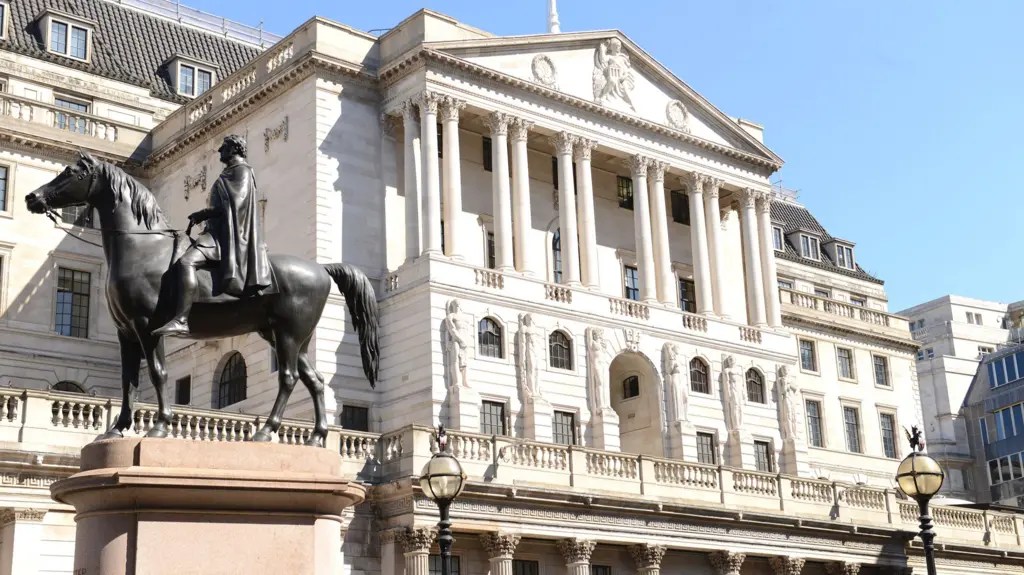
The Bank of England reduced Bank Rate to 4.0% this week, its fourth cut in the current cycle.
Andrew Bailey struck a carefully optimistic tone, noting that underlying inflation pressures have continued to ease and that the labour market, while still tight, is showing signs of softening.
For homeowners coming off fixed-rate deals, this is modest but real relief. A 4% base rate, if sustained, should filter through to five-year fixed mortgage rates in the low-to-mid 4% range by autumn. This will be more manageable than the peaks of 2023 but a world away from the sub-2% rates that prevailed during the cheap-money era. We didn’t know how good we had it, eh?
Alas, those rates were an aberration and planning household finances around their return would be very dumb.
The Monetary Policy Committee deserves credit for navigating the post-pandemic inflation surge without triggering the deep recession that many predicted. Critics who demanded faster cuts last year look imprudent in retrospect.
The harder question now is whether lower rates will stimulate the investment the UK economy desperately needs. Like the EU that I wrote about last month, structural, supply-side problems are holding real growth back.
With business confidence also subdued by the tax environment, cheaper money alone will not be sufficient to unlock growth without bold reforms that must come from Westminster.
Structural reform remains the missing ingredient, and it seems unlikely to come from the current government.